
We have all stood in front of a closet or a bathroom shelf holding an item we don’t care for, feeling a quiet sense of obligation.
It is the sweater that has never quite fit right, the kitchen appliance that takes too long to clean, or the expensive lotion with a scent we don’t love. Instead of placing it in the donation bag, we make a silent promise to ourselves: “I spent good money on that. I need to use it.”
We do this out of guilt of wasting our money. But when we look closer, forcing ourselves to use an item we dislike doesn’t give us our money back, it simply turns our home into a source of daily friction.
The Weight of Obligation
When we keep items purely out of financial guilt, we begin to rearrange our daily lives around our mistakes. We see it happen most often in three distinct ways:
- The “Not Quite Right” Cosmetic: A personal care item kept in the vanity. We use it half-heartedly, even though it doesn’t work for us at all, we allow it to drain a tiny bit of joy from our morning routine simply because we feel guilty for letting it go.
- The Uncomfortable Garment: A piece of clothing purchased on sale that doesn’t fit our current body or lifestyle. Yet, we wear it on unenthusiastic errands every few weeks, spending the afternoon subtly pulling at the fabric, simply to justify its place on the hanger.
- The Aspirational Appliance: A specialty kitchen tool bought with the highest of health intentions. We do not enjoy the complex cleanup it requires, but we leave it prominently on the counter, where it serves primarily as a daily reminder of a habit we haven’t formed.
Why Forcing It Costs Us More
We convince ourselves that consuming an unwanted item is the responsible thing to do. But keeping an item out of obligation carries hidden cost.
The financial transaction happened in the past. Wearing an uncomfortable shirt today does not put $60 back into your pocket; it only ensures that a past misjudgment continues to negatively impact your present mood. You cannot correct a financial mistake by punishing your daily comfort.
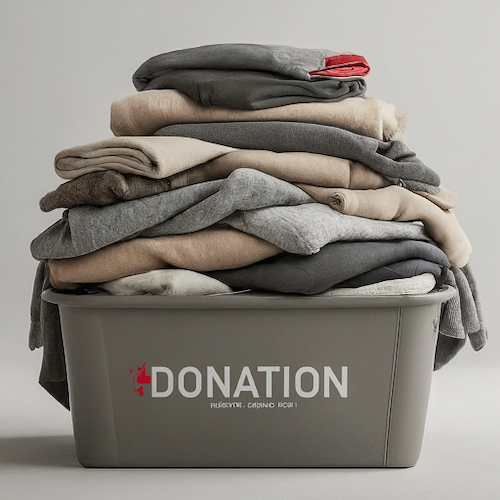
An item sitting unused, or used with resentment, in your home is benefiting no one. But placed in a donation box today, that very same sweater or kitchen appliance might be the exact item a family in your community has been searching for and actively needing.
Give Yourself Permission to Move On
You are allowed to make a bad purchase. We all do. The most responsible thing you can do with a shopping mistake is not to force a relationship with it, but to learn the lesson it came to teach you, forgive yourself for the expense, and gently let it go.
Your home is meant to be a living space for the person you are today, not a storage locker for the mistakes of yesterday. So go ahead and declutter those items that you’d happily take a refund for and enjoy owning things that you would repurchase again and again.