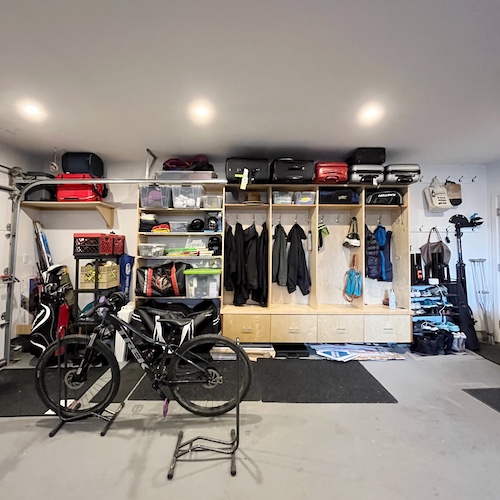

If you’ve ever found yourself constantly trying to catch up, re-organizing the same drawer again and again, or wondering why your space still feels heavy even after you’ve decluttered, you’re not alone. Many of the women we work with are busy, driven, deeply capable, and doing their best to keep a household running. But they’re also tired of the pressure to do more, buy more, and keep up with a version of home that doesn’t feel calm or sustainable.
This is where the idea of a slow home comes in. It’s not about having a perfect minimalist space or getting rid of everything you own. It’s about creating a home that works for your life, at a pace that feels right. A space that supports your routines, reflects your values, and doesn’t demand constant upkeep.
In this post, we’re going to talk about how to create a slow home. We’ll walk through simple organizing techniques, sustainable product, and small things that help you create a home that feels more peaceful and less chaotic.
Principles of the Slow Home
1. Quality over quantity
Quality over quantity is one of the core ideas behind a slow home. It means buying less, but buying better. Instead of a closet packed with clothes that don’t feel quite right, you have fewer pieces made of better fabrics, in colors that suit you, with cuts that actually fit. Instead of a drawer full of dull kitchen tools, you have three good knives that are sharp and easy to use. And you don’t need six water bottles, just one you love, use, and take care of.
Quality costs more upfront, but it costs less over time. It saves you from the cycle of constantly replacing things that never worked well in the first place. It saves you time and space, because you’re not organizing clutter, it’s better for environment.
2. Be Picky
Everything in your home should have a reason for being there. That doesn’t mean every item has to be deeply meaningful, but it should serve a purpose. When you buy something, bring it into your home because you’ve thought it through, not just because it was on sale.
Before adding anything new, ask yourself simple questions. Do I absolutely need it? Do I already have something similar? Can I get by without it? Being intentional also means not rushing decisions. The best homes are built slowly, one thoughtful choice at a time.
3. Mindful Rehoming
Instead of putting everything in a black trash bag and hoping for the best, take a moment to consider where each piece could truly be useful. Check out guide on donation places in Calgary or Toronto (depending on where you live) to help you find the right fit for your items. For pieces that are no longer usable, it is important to follow the proper steps for recycling correctly in Canada (we have a guide for that too!) so they can be processed the right way. When you find the right second home for your belongings, it feels less like you are losing something and more like you are contributing to your community.
Creating Sustainable Slow Home
1. Negative Space
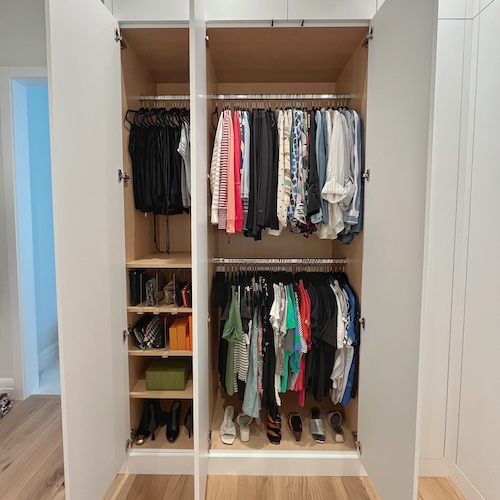
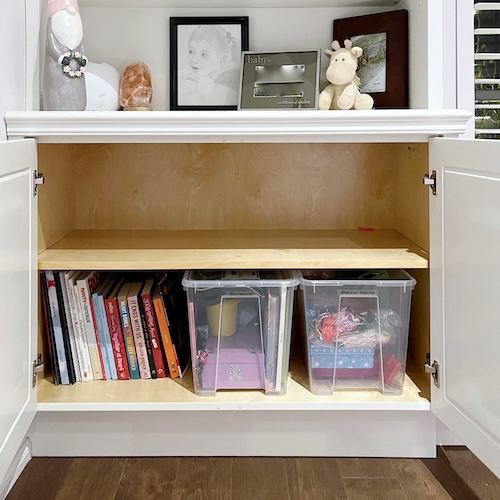
When every inch of a shelf or closet is full, it makes the space feel smaller and more stressful than it actually is. Oftentimes during our final walkthroughs with clients we will inevitably come across an empty drawer or a shelf with nothing on it and clients will look at the space and ask what they should put there, and my answer is always the same, nothing. It is a common instinct to feel like every available surface needs a purpose, but having empty space is actually one of the best ways to keep your home feeling peaceful.
The 80% rule is a simple way to maintain this feeling of ease in your storage spaces. When you only fill your shelves, drawers, or closets to 80% capacity, you leave enough physical space to move items around without everything toppling over. This extra room makes it much easier to put things away, which is often the biggest obstacle to staying organized over time.
2. Remove Packaging
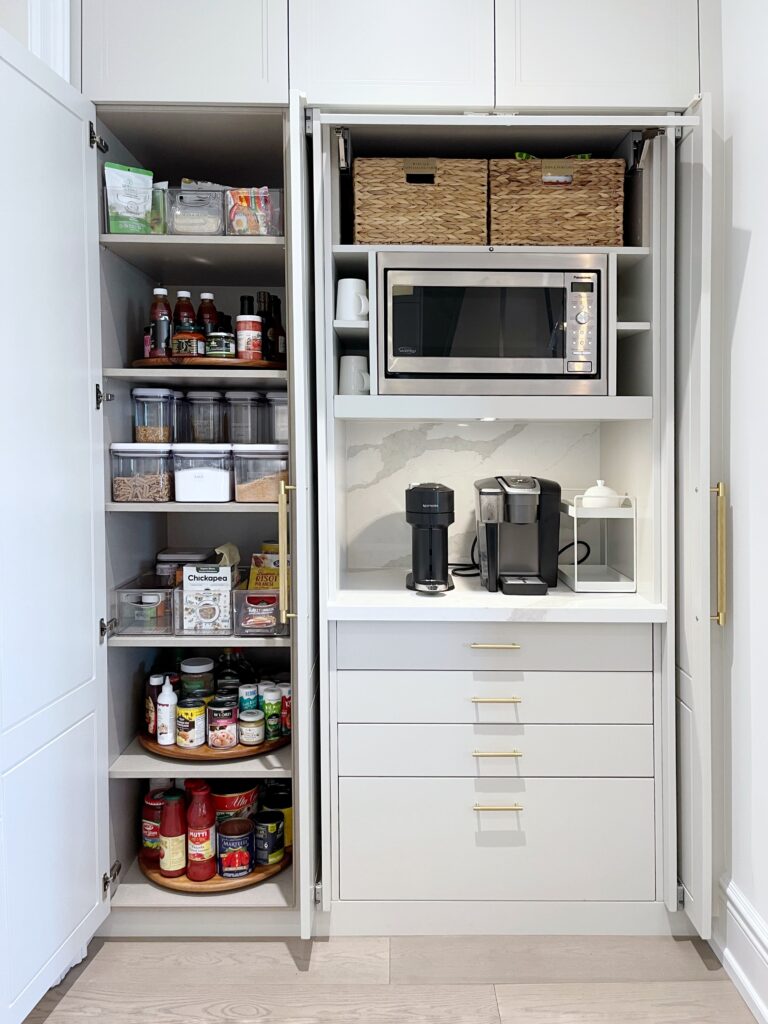
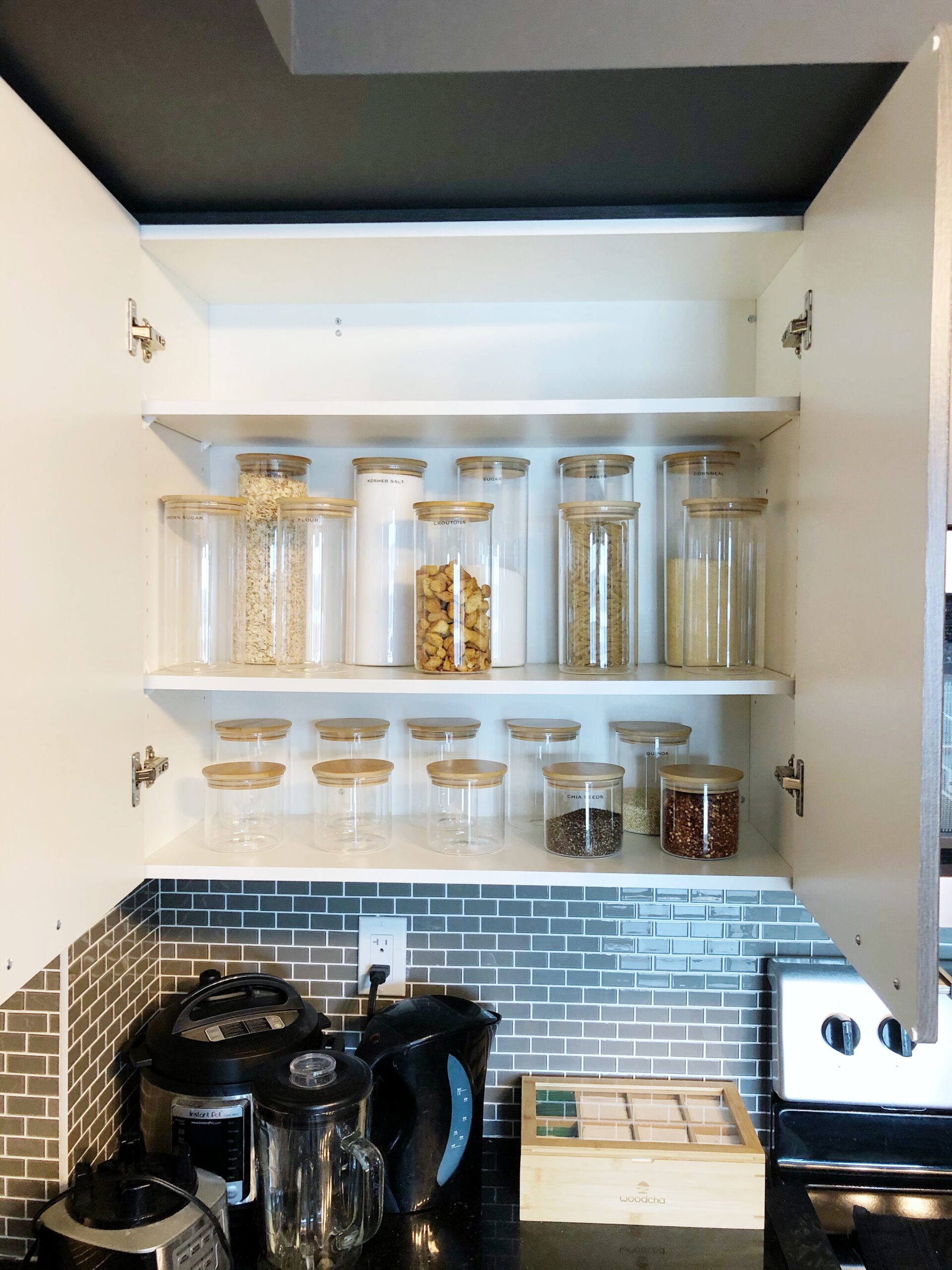
You can also create a sense of visual quiet by addressing the loud packaging that often comes with household products. Many items we buy are covered in bright colors and bold fonts designed to grab your attention in a store, but those same labels can feel like clutter once they are in your home. Transferring staples to plain jars or simply turning boxes so the labels face away can instantly calm a space.
3. Eco Friendly Organizing Supplies
When you do decide to bring a new organizing tool into your home, choosing the right material can make a big difference in how the space feels and how long the item lasts. In 2026, we are seeing a beautiful shift toward materials that come from the earth and can eventually return to it, such as bamboo, seagrass, and linen. These natural textures do more than just hold your belongings, they add a layer of warmth and organic beauty that plastic simply cannot replicate.
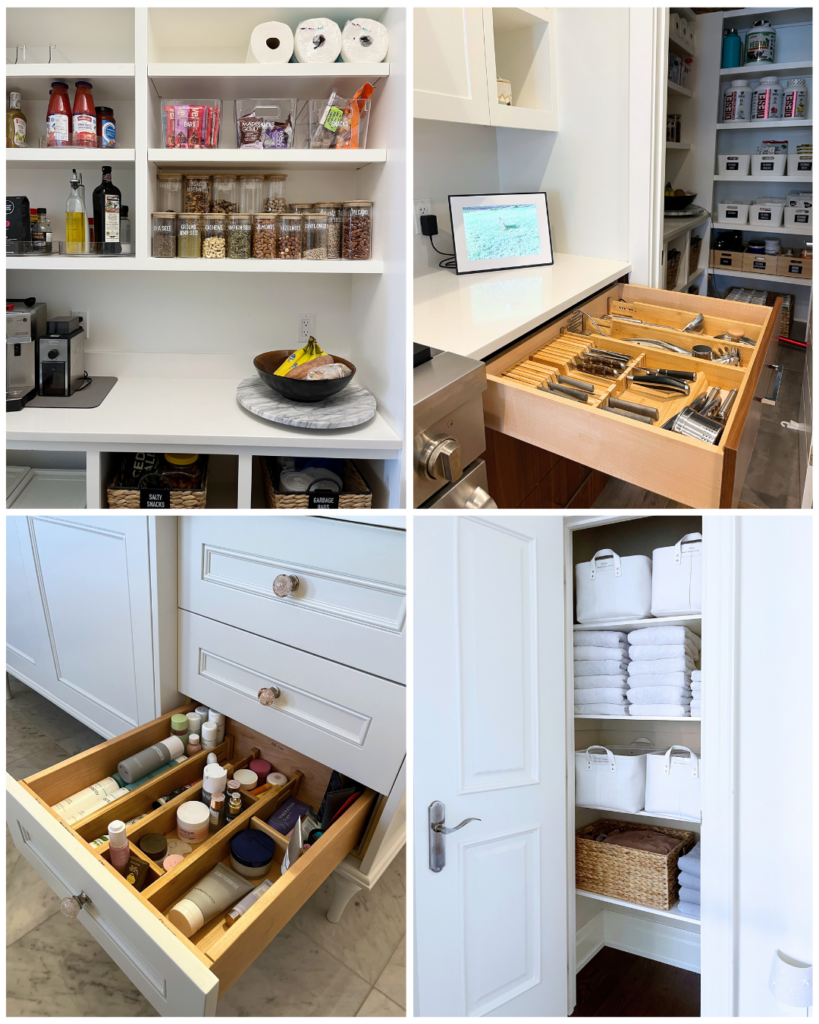
Bamboo is a wonderful choice for drawer dividers or small bins because it is incredibly fast growing and durable enough to handle daily use for years. For larger items like blankets or toys, woven baskets made of seagrass or jute are excellent because they are sturdy yet flexible, and they allow your items to breathe. Even metal wire baskets are a great eco-friendly option since they are highly recyclable and have a timeless, industrial look that never goes out of style.
If you prefer a softer look, you can find storage bins made from cotton or recycled felt, which are perfect for nurseries or bedroom closets. These materials are gentle on your clothes and your home, and they don’t release any of the harsh chemicals or odors often associated with new synthetic products. By investing in a few high quality pieces made from these sustainable fibers, you are creating a system that is as kind to the planet as it is to your daily routine.
Final Thoughts
Creating a slow home is not something that happens in a single afternoon or even a single weekend. It is a continuous practice of choosing what serves you and letting go of what distracts you, all while moving at a pace that feels sustainable for your life.
By focusing on quality, repurposing what you already have, and honouring the breathing room in your space, you are building a foundation of calm that will last all year long. Remember that every small change you make is a step toward a more intentional and peaceful environment. We hope these ideas help you embrace the beauty of a slower, more organized home in 2026.
If you find that you are ready to simplify but feel overwhelmed by where to start, you might be wondering if you need help to get your home where you want it to be. We are here to support you in that process. Book your complimentary consultation today.